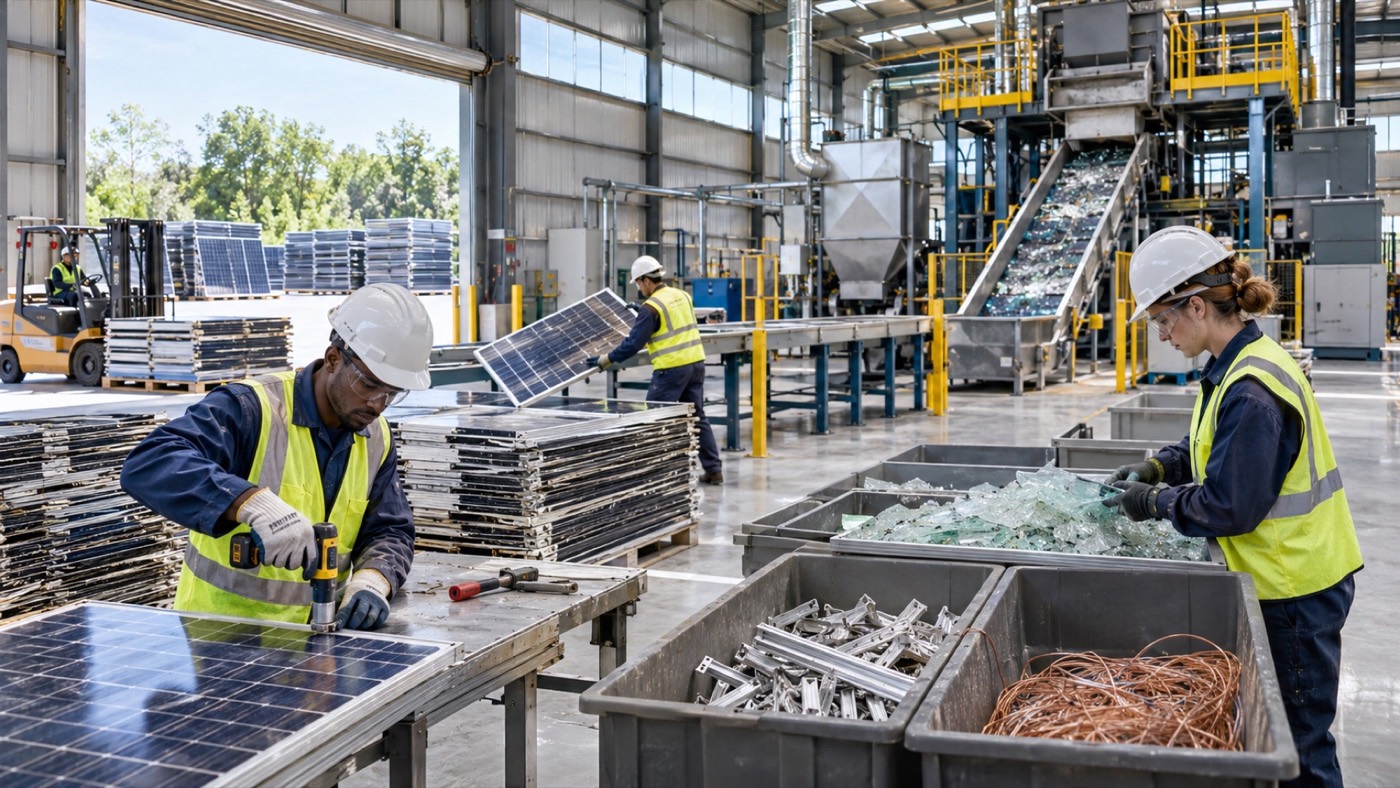
Solar Plant Recycling & End-of-Life Management
Responsible decommissioning, component assessment, and material recovery solutions for ageing solar photovoltaic systems across Telangana and Andhra Pradesh.
Understanding Solar Plant Recycling
Solar plant recycling involves recovering useful materials from photovoltaic panels and other equipment that has reached the end of its useful life.
Many conventional solar panels contain glass, aluminium, silicon-based solar cells, electrical conductors, and polymer materials. Depending on the panel technology and processing methods, some materials can be separated and recovered for further use.
Inverters, cables, mounting structures, and batteries require separate assessment because their composition and handling requirements differ.
Recycling is distinct from repair or reuse. Equipment that remains functional may be suitable for continued operation after appropriate assessment, while equipment that is no longer safe or usable may require specialised end-of-life treatment.
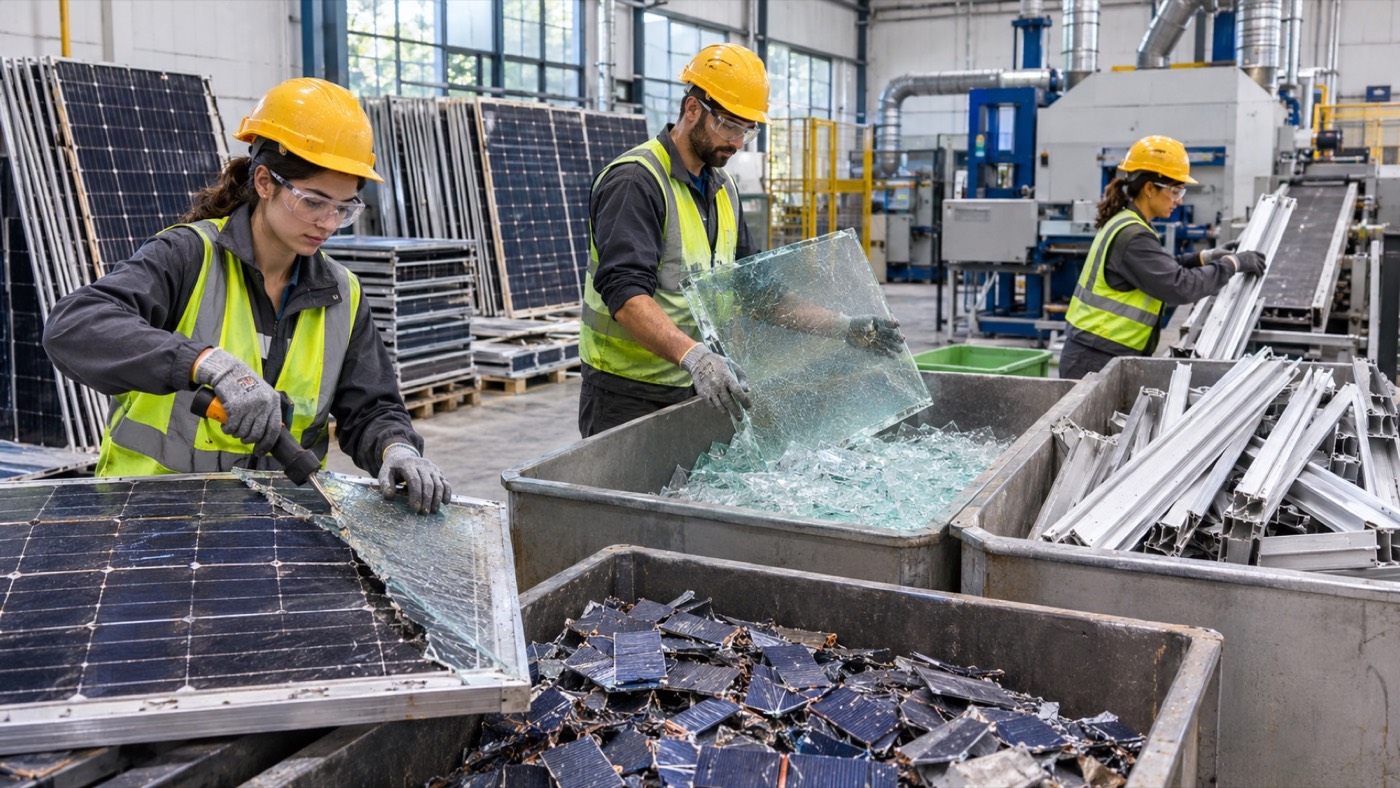 Safe Decommissioning & Segregation
Systematic material separation for aluminium frames, junction boxes, solar glass, and high-conductivity copper cables.
Materials That May Be Recovered
Not all materials can be recovered equally, and actual recovery rates depend on the panel design and the capabilities of the processing facility.
Aluminium
Many solar panels have aluminium frames that can be separated and directed to suitable metal recovery channels.
• Infinitely Recyclable Extrusion
Glass
Glass forms a substantial part of many photovoltaic panels. Recovery and subsequent use depend on the separation and processing methods available.
• Cullet Remelting or Aggregates
Copper and electrical materials
Cables and conductors may contain recoverable metals that can be processed through suitable recovery facilities.
• Busbars & Inverter Connectors
Solar cells and other materials
Specialised processes may recover silicon and selected materials, depending on the panel technology and recycling facility.
• Polymer & Metallic Separation
Repair, Reuse, Refurbishment and Recycling
Solar equipment should be assessed before deciding on the next step.
Repair may be appropriate when a component has a manageable fault and can be returned to safe operation.
Reuse may be possible when equipment remains functional and passes appropriate inspection and testing.
Refurbishment may extend the useful life of suitable equipment, while recycling is appropriate for components that have reached the end of their useful life or are unsuitable for further use.
Damaged solar panels, inverters, and batteries should not automatically be assumed safe for reuse. Their condition, electrical safety, and intended application must be considered.
01. Repair
Targeted remediation of isolated junction box faults, cracked bypass diodes, worn MC4 terminal connectors, or cooling fan replacements in inverters.
• Preserves Capital Assets
02. Reuse
Qualified secondary deployment for low-criticality off-grid agricultural pumping, perimeter lighting, or rural utility backup after testing.
• Insulation Resistance Tested
03. Refurbishment
Industrial re-framing, re-soldering of terminals, inverter motherboard recapping, and structural re-coating to extend useful field lifetime.
• Economical Life Extension
04. Recycling
Dedicated end-of-life processing to separate raw glass, metals, and semiconductors when components cannot be safely refurbished or used.
• Raw Material Reclamation
Responsible Solar Equipment Handling
A typical end-of-life process may involve inventory preparation, equipment inspection, safe removal, suitable packaging, transport, material recovery, and management of residual waste.
Large commercial or industrial solar installations may require coordinated planning because of the quantity of equipment involved and the need to document removal and handling activities.
Batteries require particular attention because different chemistries have different handling and recycling requirements. They should not be dismantled or discarded with ordinary household waste.
Solar equipment owners should verify applicable environmental and waste-management regulations, registration requirements, and authorised collection or processing channels before arranging disposal or recycling.
Documenting serial numbers, manufacturer specs, working condition, and safe electrical isolation before dismantling begins.
Segregated handling for lead-acid and lithium batteries to prevent acid leaks, terminal short circuits, or thermal events.
Verification of applicable state pollution control board (TSPCB / APPCB) and e-waste handling authorizations prior to logistics dispatch.
Customized End-of-Life Planning
The requirements of a small residential rooftop system differ from those of a large industrial solar plant. The number and type of panels, equipment condition, accessibility, transport requirements, and available receiving facilities all influence the appropriate approach.
Dr.MAK encourages solar owners and businesses to consider equipment lifecycle management as part of their overall solar investment planning.
Our focus is on helping customers understand the options available for repair, reuse, replacement, and recycling, while recognising that actual collection, processing, and recycling services depend on the capabilities and authorisations available for each project.
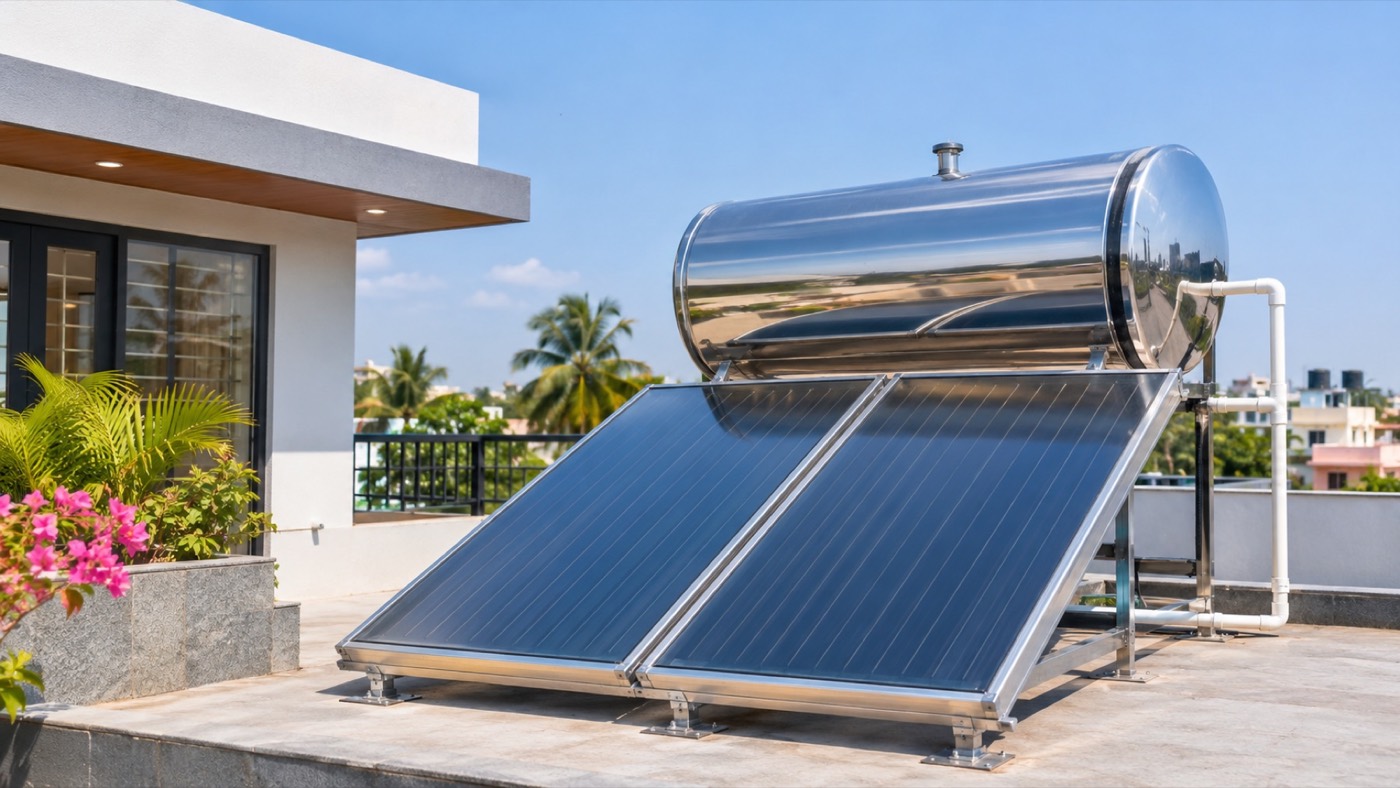 Residential Installations
Residential Rooftop Lifecycle Planning
Focused on safe removal from residential terraces, inspecting structural mounting without compromising roof waterproofing, testing inverters, and advising on component reuse or safe collection.
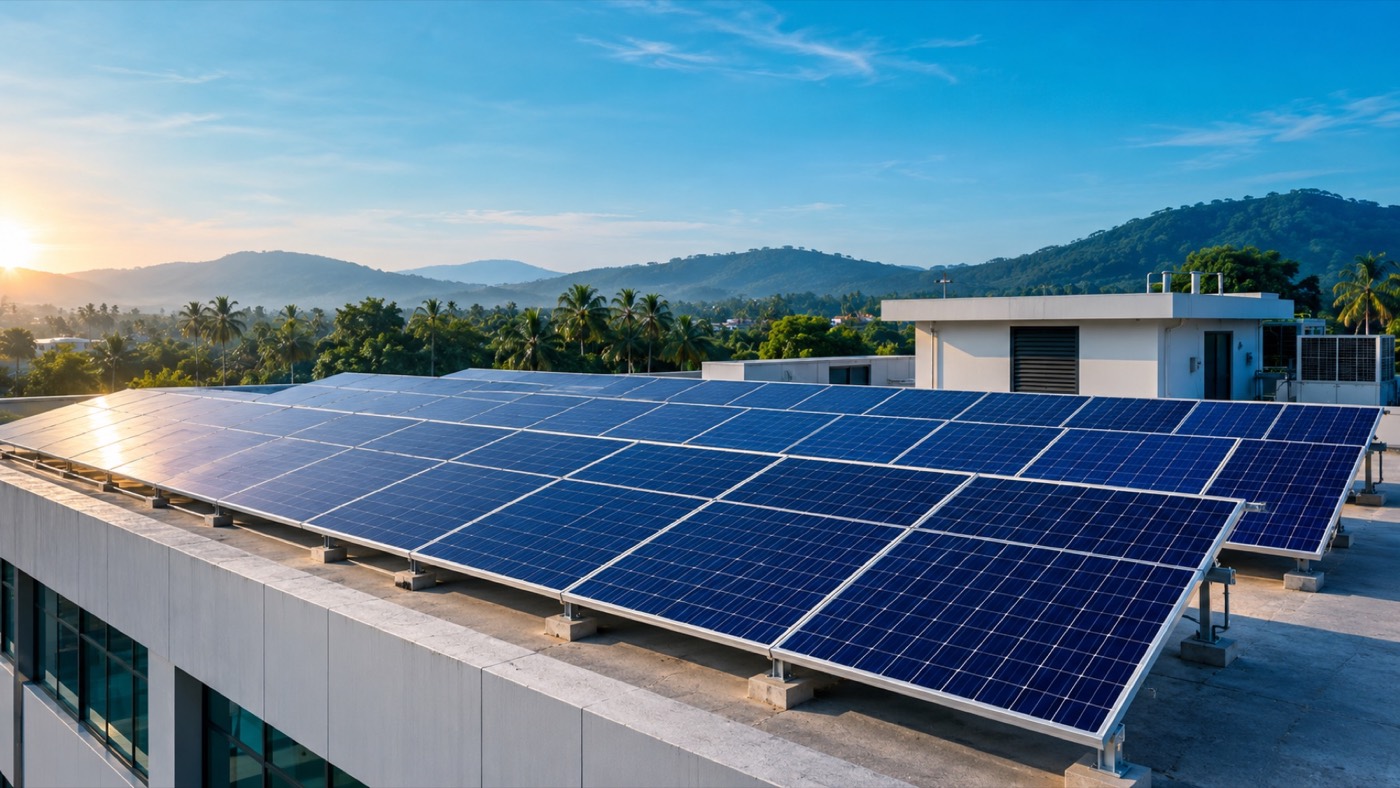 Commercial & Industrial Facilities
Commercial & Industrial Plant Decommissioning
Engineered for large ground-mount and factory-shed systems requiring documented chain of custody, crane logistics, palletized packaging, transformer isolation, and authorized processing channels.
How an old plant is retired responsibly
Assess and disconnect
We inspect the plant, isolate it electrically and plan safe removal from the roof or ground.
Dismantle and sort
Modules, structures, cables and inverters are taken down and separated.
Test for a second life
Equipment that is still safe and productive is identified for reuse or refurbishment.
Recover the materials
What cannot be reused goes for material recovery: aluminium frames, glass and copper.
Contact Dr.MAK to discuss solar equipment lifecycle management and identify appropriate next steps for your project.
Connect directly with our engineering team in Kapra, Secunderabad. We evaluate system condition, inspect electrical safety, assess repowering opportunities, and advise on responsible management options.
Request a Lifecycle Assessment
Share details about your solar installation; our engineers will contact you promptly.